If I hear one more person say that race car drivers "just sit there," I’m going to lose it. Having spent 11 years in the garage—from the damp, cold short-track nights to the absolute furnace of a 36-race NASCAR Cup Series season—I can tell you that the "passive" nature of driving is a myth. You’re looking at a 150-pound athlete exerting massive force on a brake pedal for three to four hours while fighting internal cabin temperatures that regularly crest 130°F. When you add the sustained 5G+ lateral loads in IndyCar and Formula 1 to that mix, you aren't talking about a casual Sunday drive; you're talking about https://casinocrowd.com/the-toll-of-the-track-what-500-miles-really-does-to-a-drivers-body/ high-load, high-impact athletic performance.

For those of us working behind the wall—mechanics, tire changers, and drivers—recovery is the only currency that matters. With 3:00 AM post-race flights and back-to-back weekends, managing systemic inflammation is a survival skill. That is where CBD often enters the conversation. But in our world, where drug testing and strict regulatory compliance are the standard, you can't just pick up a random bottle from a gas station. Let’s talk about the chemistry of CBD and why, for a professional in the motorsports world, the label is only the beginning of the story.
The Spectrum Breakdown: What’s Actually in the Bottle?
When you’re looking for recovery support, you’ll encounter two primary terms: full spectrum and broad spectrum. Understanding the difference isn't just about chemistry; it’s about your career security.
The core difference comes down to the cannabinoid profile extracted from the hemp plant. Full spectrum products contain the full array of naturally occurring compounds, including terpenes, flavonoids, and—critically—a full spectrum THC trace. Pretty simple.. By law, this THC content must be below 0.3% in the U.S., but for an athlete subject to strict testing protocols, that trace is a risk.
Think about it: broad spectrum no thc products have undergone an extra refinement process to remove the thc while leaving the other beneficial cannabinoids and terpenes intact. For those worried about a positive screen, this is the differentiator.
The Comparison Table
Feature Full Spectrum Broad Spectrum THC Content Contains trace amounts (up to 0.3%) Non-detectable / THC-free Entourage Effect High Moderate (some cannabinoids removed) Testing Risk Higher (potential for accumulation) Lower Ideal For Weekend warriors with no drug testing Pro athletes/Anyone subject to workplace drug screensThe "THC Risk" and Professional Accountability
I don't deal in "detox" teas or "miracle-cure" powders. If a product doesn't have a Certificate of Analysis (COA), I don't care who is endorsing it; it doesn't enter my gear bag. The THC risk CBD products pose is real. Even if a label says "0.3%," the lack of regulation in the supplement industry means you could easily end up with a product that exceeds that limit.
When you are operating at the level of the World Anti-Doping Agency (WADA) standards or internal team testing, "I didn't know" isn't a valid excuse. A hot drug test is a career-ender. If a brand cannot provide a third-party lab result that specifically shows a non-detectable level of THC for their broad-spectrum product, stop shopping there immediately. You are literally gambling with your livelihood.
Why Third-Party Lab Testing is Non-Negotiable
In the garage, we live by data. We check torque specs, we monitor tire pressures, and we analyze engine telemetry. You should apply that same rigor to your recovery supplements. If a company doesn't publish a third-party lab testing report for every single batch they produce, they are hiding something. I want to see a COA that tells me exactly what is in the product—and more importantly, what is not in it.
Brands like Joy Organics have set a better standard in the industry by being transparent about their testing processes. They provide accessible, batch-specific COAs that allow you to verify the potency and safety of the product before you ever take a serving. When you are traveling 40 weeks a year, you don't have time to second-guess the quality of what you're putting into your body. You need clean, tested, and verifiable goods.
The Science of Recovery
We often talk about racing as a sport of focus and reaction, but the cardiovascular strain is significant. A driver’s heart rate https://reliabless.com/the-reality-of-cbd-in-motorsports-federal-legality-and-performance-recovery/ can sit in the 150–180 BPM range for hours, paired with severe dehydration and the cumulative fatigue of travel. Studies, such as those found in The Permanente Journal, have looked into the use of CBD for sleep and anxiety management, suggesting potential benefits for nervous system regulation.
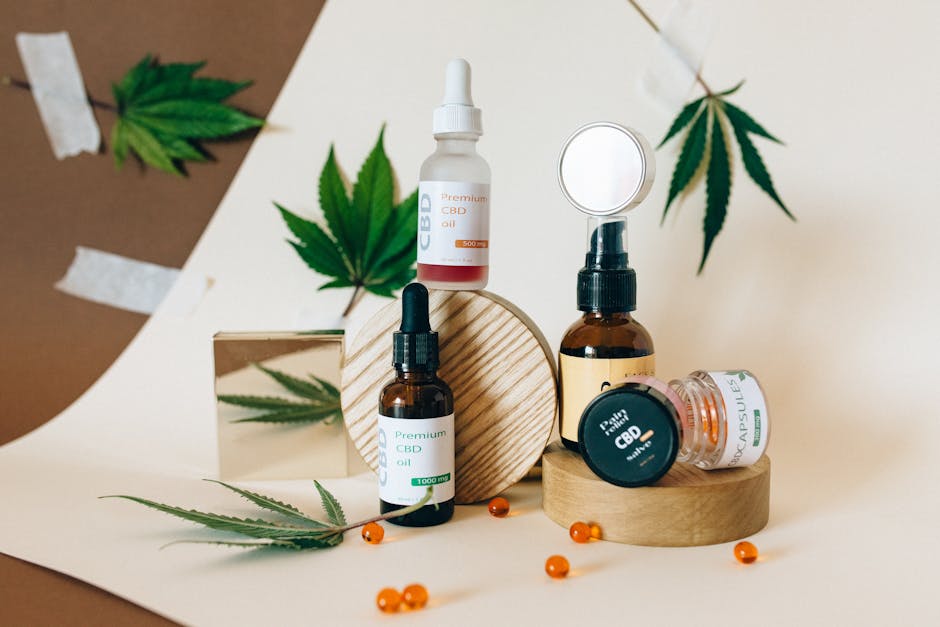
However, I caution everyone: do not view CBD as a "fix-all" for bad habits. If you aren't hydrating, if you aren't managing your sleep hygiene despite the travel schedule, and if you aren't doing the mobility work to counteract the seated posture, no amount of CBD is going to save you. It is a tool for the toolkit, not a replacement for fundamental physical preparation.
A Practical Recovery Protocol
Hydration Check: Ensure your electrolyte balance is restored within 15 to 45 minutes of exiting the car. Verify the Label: If the product claims broad spectrum, check for a COA confirming 0.0% THC. Establish a Routine: Consistency is key. A sub-lingual dose before hitting your rack on a long haul can help with the "noise" of the day, but it’s not a sedative. Cross-Reference: Always check your team’s banned substance list against the specific ingredients listed on the COA.Final Thoughts from the Garage
We live in a world where we’re constantly looking for an edge. Whether it’s optimizing a pit stop sequence or finding a better way to recover from the grueling travel of the NASCAR or IndyCar circuits, the search for improvement is constant. But that search cannot override common sense.
If you choose to use CBD, treat it like any other piece of performance equipment. Do your research, demand a COA, and never trust a brand that doesn't embrace third-party verification. When you're leaning into a high-speed corner or working a triple-header weekend, the last thing you need is the stress of a contaminated supplement. Stick to the science, stick to the testing, and keep the focus on what actually moves the needle.
Disclaimer: I am a motorsports wellness writer, not a physician. Always consult with your team doctor or a medical professional before introducing new supplements into your regimen, especially if you are subject to regular drug testing.