Traveling internationally for a fight is never a simple endeavor, and when you add the complexities of a weight cut, the challenges multiply exponentially. Fighters crossing multiple time zones, like those heading to Sydney, Australia, face unique issues with jet lag, disrupted circadian rhythms, dehydration, sleep debt, and chaotic fight week schedules. Understanding the science and practical tactics behind managing these factors can make a critical difference between success and disappointment. This guide digs deep into the challenges of weight cut travel to Sydney, the impact of Sydney jet lag, and how light management can help you regain control.
The Fight Week Scheduling Chaos and Sleep Debt
Anyone who has covered fight week knows it’s a delicate juggling act. From early morning media calls to late-night scale appearances, fighters often find themselves hopping between events with little opportunity for restful sleep. This scheduling chaos leads to accumulating sleep debt, which is a major detriment to performance and recovery.
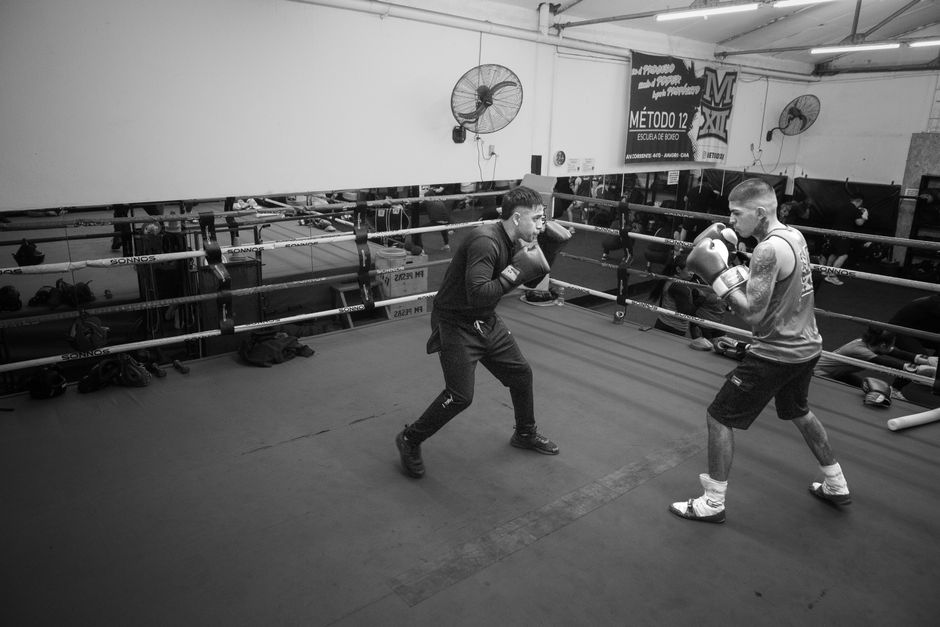
- Early morning media sessions (think 7:00 am wake-ups) screw with your natural sleep cycle – especially if you're trying to recover from a tough weight cut night. Late weigh-ins Travel, acclimation to the venue, media obligations, and medical testing all add layers of stress and fragmented sleep.
Some fighters arrive in Sydney as early as a week before to begin the acclimation process. However, many don’t have that luxury. Meanwhile, fatigue fightful.com builds up, creating a vicious cycle where you’re too tired to sleep well, but lack of sleep impairs your energy for training, rehydration, and mental preparation.
Tips for Managing Sleep Debt During Fight Week
Prioritize strategic naps – short 20-30 minute naps post media days can help recharge without disrupting nighttime sleep. Schedule wind-down routines free of screens and bright lights at least 1-2 hours before planned sleep. Ear plugs and eye masks to mitigate noisy hotel environments and unwanted light during short sleep windows. Communicate with your team to consolidate media and promotional duties where possible, focusing on recovery windows.Weight Cut Dehydration and Fragmented Sleep
By far, one of the biggest barriers to quality sleep during travel is dehydration caused by the weight cut. Weight-cut dehydration alters plasma volume, impairs thermoregulation, and leads to restless, fragmented sleep patterns. It is commonly underestimated how much dehydration interferes with REM cycles, leaving the fighter feeling unrested even after "6-7 hours" of sleep.
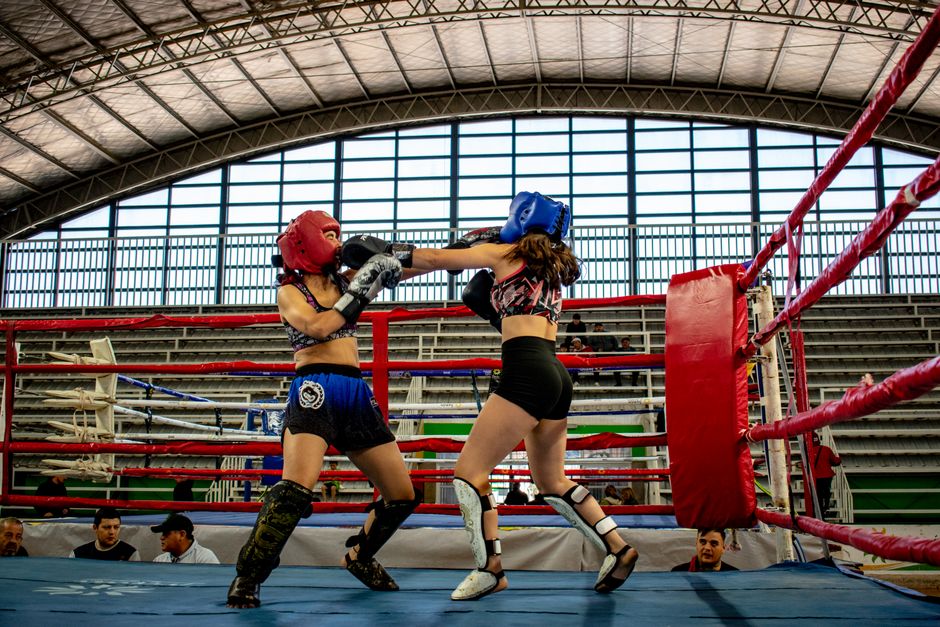
Fighters experience heightened sympathetic nervous system activity during weight cuts, increasing heart rate and cortisol levels, which contribute to hypervigilance and difficulty falling asleep. The physiological discomfort increases bathroom visits during the night, further breaking sleep cycles.
Strategies to Mitigate Dehydration Sleep Fragmentation
- Timed electrolyte rehydration: During fight week, maintain hydration using carefully measured electrolyte solutions, not just water, to promote cellular rehydration and reduce nocturia ( nighttime bathroom trips). Body temperature modulation: Cooling showers or cold compresses can lower core temperature to facilitate sleep onset despite dehydration-induced thermoregulatory disruptions. Controlled fluid intake windows: Limit fluids 1 hour before sleep to minimize bathroom interruptions while ensuring adequate hydration earlier.
Rehydration Night Physiology and Interruptions
The night after weigh-ins is critical. Fighters often rush to rehydrate aggressively but face a physiological environment that isn’t optimized for maximum absorption or rest. The kidney’s processing capacity is limited, so forcing fluids can lead to bloating, discomfort, and frequent urination. This leads to multiple wake-ups, diminishing the restorative power of sleep at a crucial juncture.
Additionally, circadian misalignment affects hormone release patterns, notably growth hormone and melatonin, which can further degrade sleep quality on rehydration nights. Decreased melatonin secretion relates to altered light exposure patterns from traveling across time zones and irregular light cycles in unfamiliar settings.
Helpful Rehydration Night Practices
Gradual rehydration: Spread fluids over several hours after weigh-in rather than gulping large volumes at once. Include confirmed electrolyte complexes: Use products backed by batch lab reports or Certificates of Analysis (COAs) to ensure purity and effective dosing, avoiding ineffective or suspect supplements. Limit stimulants: Avoid caffeine or energy drinks post weigh-in that exacerbate wakefulness and dehydration. Design sleep environment: Use blackout curtains or eye masks plus white noise to overcome uncontrolled hotel lighting and noise environments.Time Zone Shifts and Circadian Disruption
For many North American and European fighters flying into Sydney, the time zone difference is a significant hurdle. Sydney operates on Australian Eastern Standard Time (AEST), which can be 14-17 hours ahead depending on daylight savings – essentially a near 24-hour shift.
This massive circadian shift disrupts core clock gene expression and hormone cycles, leading to Sydney jet lag, characterized by:
- Daytime fatigue with nighttime wakefulness. Altered digestion and appetite, complicating weight cut recovery nutrition. Cognitive fog and impaired reaction times. Mood fluctuations and irritability.
Light Management: The Key to Circadian Reset
The best tool to reset your biological clock after a long-haul flight is strategic light exposure. Light is the strongest cue for the suprachiasmatic nucleus that governs circadian rhythms.
Morning light exposure: Get outside in the early morning hours for 30-60 minutes within 1-2 days of arrival to advance circadian rhythms and shift your body's clock toward the local time. Avoid bright screens after sunset: Use blue light filters or amber glasses in the evenings to reduce melatonin suppression. Midday light management: Spend the middle of the day outdoors to sustain alertness and maintain circadian alignment. Darkness protocols: Ensure your sleeping area is fully dark to facilitate melatonin release critical for quality sleep.Here's a helpful resource explaining light management tactics for fighters traveling across time zones:
Why Batch Lab Reports and Certificates of Analysis (COAs) Matter in Supplement Choices
In the chaos of fight week, fighters often look for last-minute supplements to enhance recovery or rehydration. However, anecdotal claims with no scientific backing can be dangerous or ineffective.
Always check if supplements come with batch lab reports or Certificates of Analysis (COAs) that verify contents, purity, and safety. This removes guesswork and ensures you’re not introducing banned substances or fillers that can hinder your performance or health.
- Supplements lacking COAs may contain contaminants or lower doses than advertised. Clean, quality supplements support optimal rehydration and nutrient replenishment post weight cut. Always share COA data with your camp's medical or nutrition staff to validate choices.
Summary Table: Key Challenges & Solutions for Weight Cut Travel to Sydney
Challenge Description Recommended Solutions Fight week scheduling chaos & sleep debt Early media calls & late weigh-ins cause fragmented, insufficient sleep. Strategic naps, wind-down routines, earplugs/eye masks, consolidate media duties. Weight cut dehydration & fragmented sleep Dehydration alters thermoregulation & increases night awakenings. Timed electrolyte rehydration, temperature modulation, controlled fluid intake. Rehydration night physiology & interruptions Aggressive fluid replacement causes bloating & frequent urination. Gradual rehydration, use supplements with verified batch lab reports, avoid stimulants. Time zone shifts & circadian disruption Jet lag causes fatigue, cognitive impairment, and sleep disruption. Morning light exposure, avoid blue light at night, midday outdoor time, darkness protocols.Final Thoughts
Weight cut travel to Sydney is a high-stakes balancing act requiring meticulous planning and science-based approaches. Fighting after a poor cut and chaotic jet lag can significantly impair performance and recovery. But with the right strategies—focused on sleep debt management, hydration physiology, precise supplement choice verified by batch lab reports, and expert light management—you can mitigate many of these challenges and arrive at fight night sharp, rested, and ready.
Remember: the rulebook doesn't just cover the fight itself. It also captures how you prepare and recover from travel and weight cut stress. Respect those principles, and you'll give yourself the best shot at success.